
About
About the artist
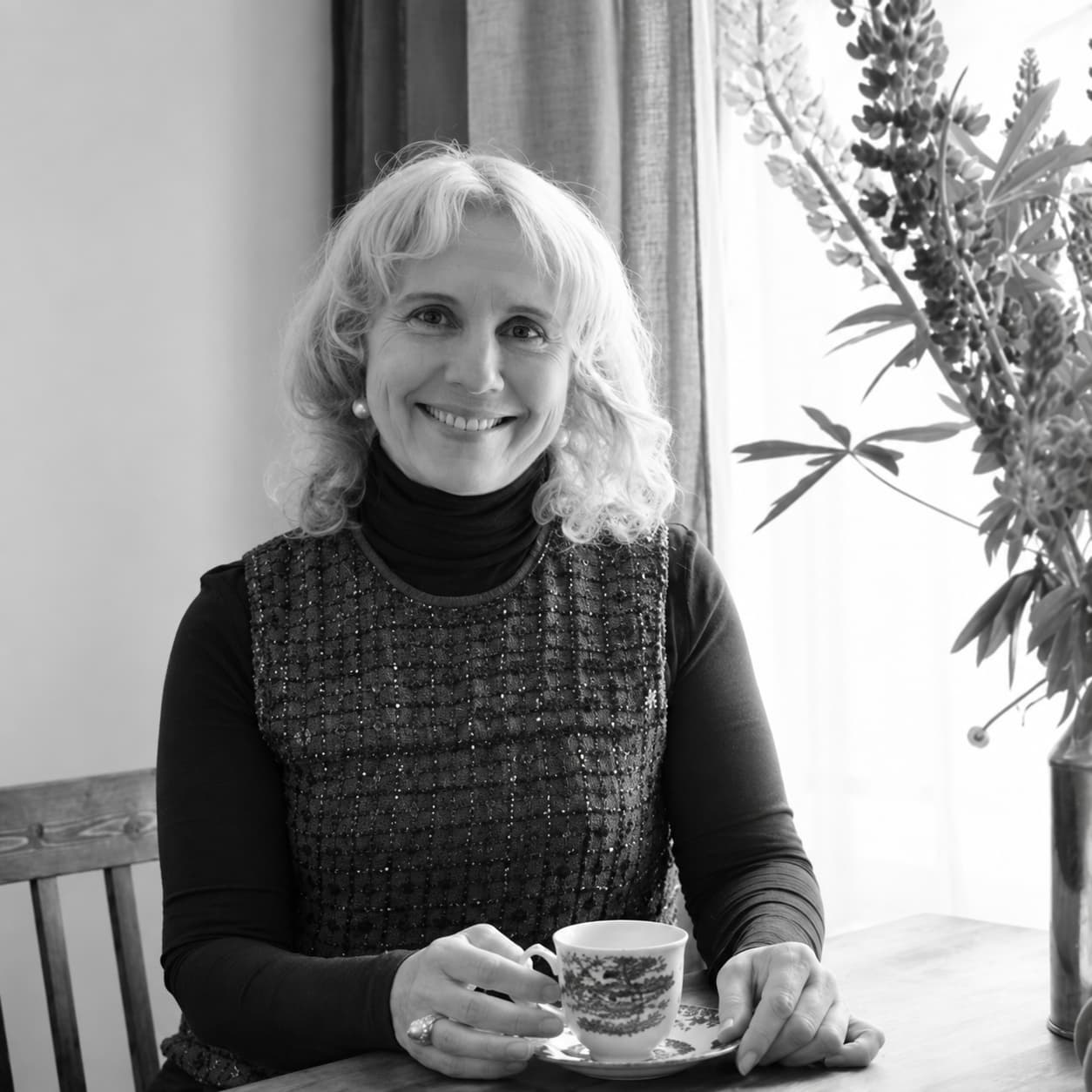
I work with plants, material and botanical imprints, transforming fleeting natural forms into permanent reliefs.
My practice explores the relationship between nature, time, memory and place through direct contact with living plant material.
I am Irina Divra, a Finland-based visual artist working under the artist name KLEVER. Since 2018, I have been developing my practice through botanical relief, using flowers, leaves, stems, branches and other plant forms as physical elements in the making of each work.
Rather than depicting plants, I work with their direct imprints. Their structures become part of compositions shaped through repetition, rhythm, scale and empty space. Over time, my practice has evolved from smaller botanical studies towards larger, layered and increasingly complex relief works.
The Finnish landscape and its changing vegetation have become an important part of my practice. Forest plants, meadow species, ferns, grasses, flowers and other locally encountered forms carry the particular structures and rhythms of the environments in which they grow. Working with them allows me to approach place not as a landscape to be depicted, but through the physical presence of the plants that belong to it.
I am particularly interested in what remains when the living material itself is gone — how a temporary encounter between plant and material can become a lasting record of a particular moment and place. In this sense, each botanical imprint can also become a material memory of a specific environment and season.
From plant to relief
The plant disappears from the process. Its physical imprint remains.
The plants are then removed and the composition is cast in gypsum. The living material disappears, while the record of its contact with the surface remains.
The process is both precise and unpredictable. Each plant responds differently to pressure and material, so the final composition emerges through an ongoing dialogue between plant, material and artistic decision.
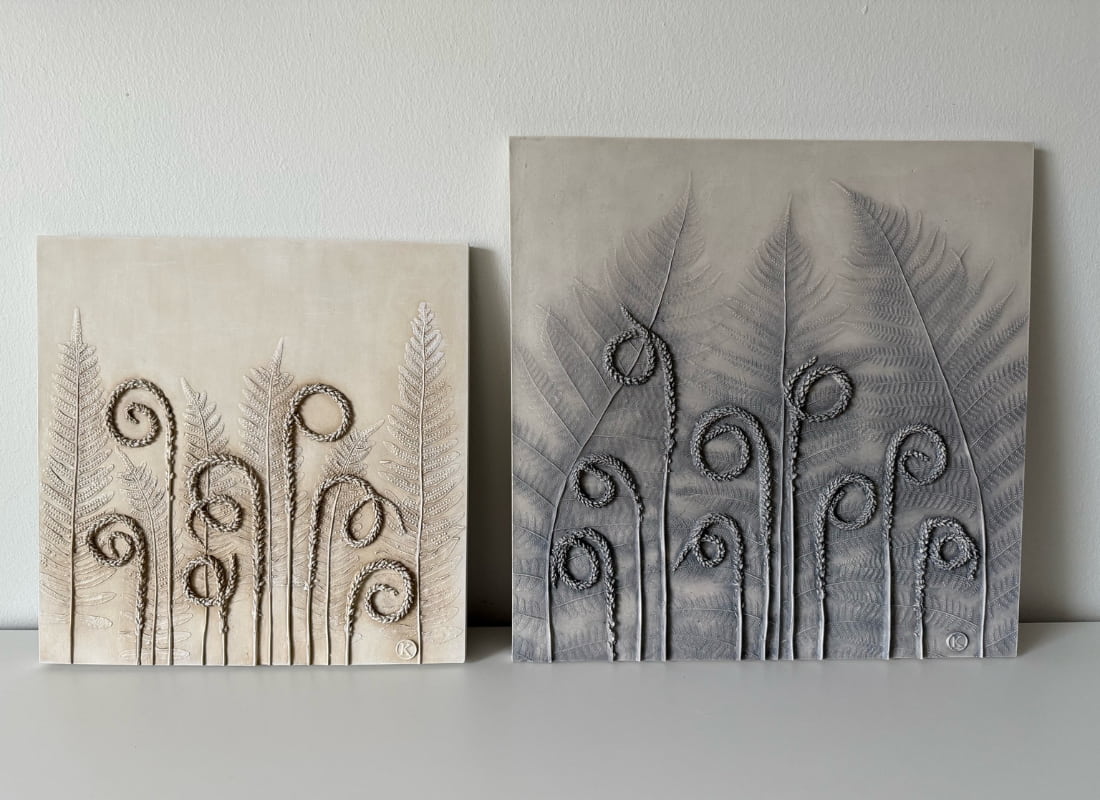
Developing the practice
From individual botanical imprints towards larger, layered and spatially more complex compositions.
I am developing my practice towards larger and more complex relief works in which multiple botanical imprints form a single visual environment. Repetition, rhythm, density and empty space allow individual plant structures to become part of a larger composition.
Each plant brings its own physical character to the process. Delicate flowers, ferns, leaves, stems, branches and seed heads respond differently to pressure and material. These differences influence both the surface of the relief and the artistic decisions made while composing the work.
My practice follows the rhythms of the growing season. Fresh plant material is available only at particular moments, and its structure changes as it grows, flowers, produces seed and fades. This makes time an active element of the work: the same material encounter cannot always be repeated.
I am increasingly interested in how the vegetation of a particular place can shape the visual language of a relief. Forests, meadows, shores and other environments offer different structures, densities and rhythms. Rather than depicting these places as landscapes, I explore how something of their character can remain through the physical imprints of the plants found there.
Contact
Exhibitions, collaborations and professional enquiries
- For exhibition opportunities, collaborations and other professional enquiries, please get in touch.
- klever.imprint@gmail.com
- Irina Divra / KLEVER · Visual Artist working with Botanical Relief · Finland